


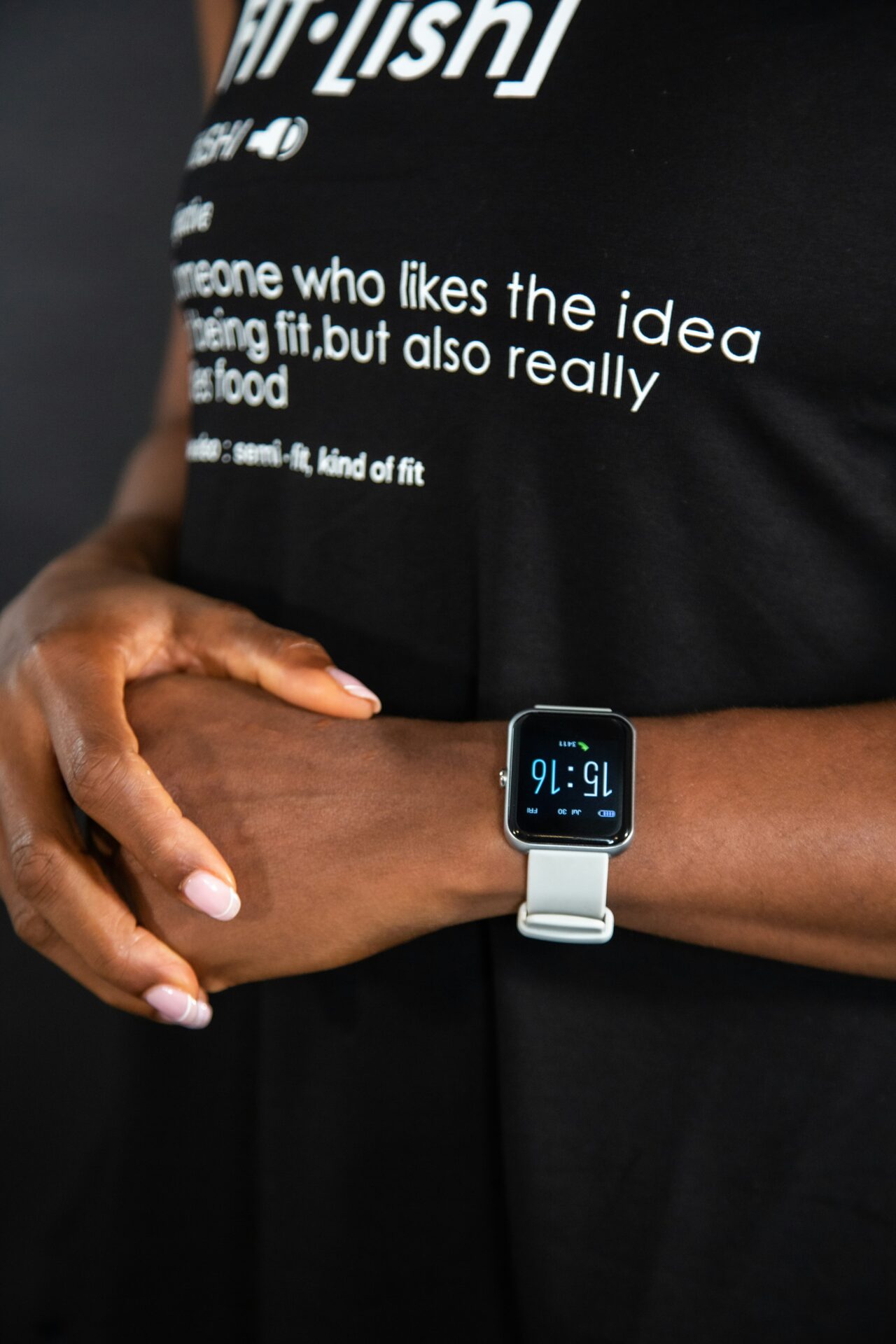
Artificial Intelligence, or AI, has revolutionized many aspects of our daily lives, and smart watches are no exception. With the integration of AI, these compact devices have evolved far beyond simple notifications and step counting. Today, smart watches are intelligent companions that actively help users manage their health, time, and communication.\nAI-powered smart watches are harnessing advanced sensors and computational algorithms to deliver personalized health insights. Features like heart rate monitoring, sleep tracking, and stress detection are not only based on data collection but are also enhanced by AI algorithms that interpret this data for more nuanced insights. For example, AI can detect abnormal heart rhythms or predict periods of fatigue based on historical and real-time data, prompting users to take action before issues arise.\nIn addition to health, AI is improving the way smart watches interact with users. Natural language processing allows smart watches to understand voice commands more accurately and in multiple languages, enabling hands-free control for tasks such as sending texts, setting reminders, or checking the weather. Some devices also use AI to analyze user habits and proactively suggest actions, such as reminding the user to stand after periods of inactivity or adjusting notification settings based on past behavior patterns.\nOne of the most exciting applications of AI in smart watches is in fitness tracking and coaching. Smart watches equipped with AI can recognize different physical activities automatically without manual input. They can also provide real-time feedback on exercise form, suggest customized training routines, and even predict performance plateaus by analyzing past workout data. These features make fitness tracking more accessible and effective for users at all levels.\nAI plays a vital role in improving battery life and performance. By learning user habits, smart watches can prioritize background processes, manage app notifications smarter, and suggest optimal charging times. AI can also help identify and troubleshoot performance issues, ensuring the device remains quick and responsive over time.\nSecurity and privacy are also being enhanced by AI. Many smart watches now include biometric authentication methods, such as heart rate or movement patterns, that are analyzed by AI to verify identity. Additionally, AI-driven encryption and anomaly detection can help protect sensitive data from cybersecurity threats.\nLooking forward, the synergy between AI and smart watches promises even more remarkable features. Advanced health diagnostics, continuous medical monitoring, and seamless integration with other smart devices are just around the corner. As AI capabilities continue to progress, users can expect even smarter, more intuitive experiences from their wrist-worn devices.\nIn conclusion, AI is not simply a feature of modern smart watches—it is the driving force behind their rapid evolution. From health and fitness insights to intelligent notifications and security, AI is turning the smart watch into an indispensable personal assistant, transforming the future of wearable technology.